


Stargazing
Best UK Dark Sky Locations for Twilight Stargazing: A Seasonal Comparison
September 27, 2026
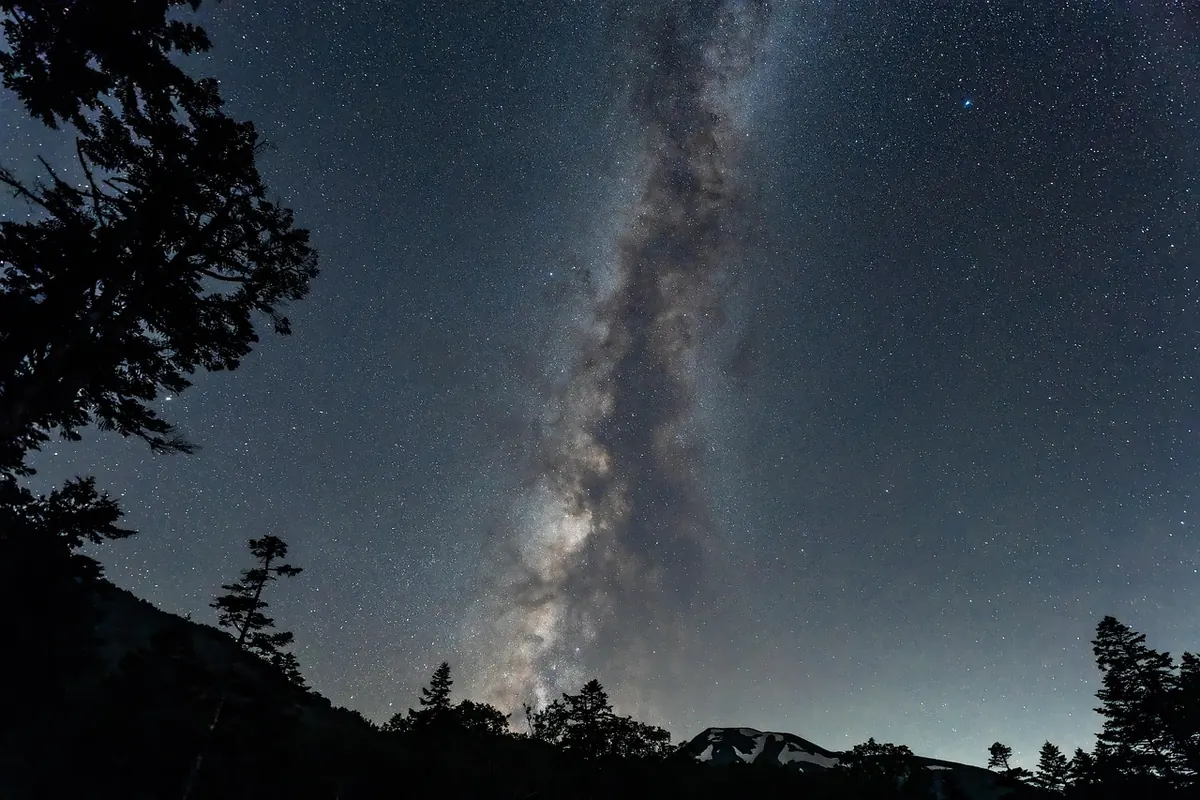
Twilight is not a compromise. At the UK's darkest sites, the hour after sunset and the hour before sunrise can be the most rewarding time to be outside. You get bright planets, the first stars, and in summer, glowing noctilucent clouds. But not every dark sky location performs equally in every season. Here is how the best compare.
Why Twilight Deserves Its Own Plan
Civil twilight ends when the sun is 6 degrees below the horizon. Nautical twilight ends at 12 degrees. Astronomical twilight ends at 18 degrees, which is when the sky is truly dark. For stargazing, you often want astronomical darkness, but twilight has its own rewards: a deep blue sky, silhouetted landscapes, and the chance to see satellites and the International Space Station pass over.
Dark sky parks and reserves matter because they cut artificial glow. At a truly dark site, fainter stars appear earlier in twilight, and the contrast between the sky and the horizon is cleaner. The best season depends on what you want. Summer gives long twilight and noctilucent clouds. Winter gives early darkness and crisp, steady air. Spring and autumn sit in between, with reasonable temperatures and a good balance of dark hours.
In the far north of Scotland, summer twilight can last all night. This is the simmer dim. It is beautiful, but it means no true astronomical darkness. If you want deep-sky objects, plan for spring or autumn instead.
Galloway Forest Park, Dumfries and Galloway
Galloway Forest Park was the UK's first International Dark Sky Park, and it remains one of the most accessible. The mix of forest, lochs and open moorland gives you plenty of horizons. Twilight here is deep and blue, with a real sense of scale.
Best seasons: Spring and autumn for the Milky Way and the Andromeda Galaxy. Winter for Orion, Taurus and the Pleiades. Summer for noctilucent clouds low in the north.
Weather comes off the Atlantic, so cloud can move in quickly. Have a backup plan. Clatteringshaws Loch and Loch Trool both offer open northern horizons, which is what you want for twilight colours and summer clouds.
Northumberland and Kielder
Northumberland National Park and Kielder Water and Forest Park form a huge dark sky area. Kielder Observatory is a well-known hub, but you do not need a telescope to enjoy the twilight. The eastern side of the park often gets early dusk, which suits an evening session.
Best seasons: Winter for Orion, Sirius and the possibility of aurora. Spring for galaxies in Leo and Virgo. Autumn for a mix of constellations and meteors.
Kielder is cold in winter, so bring more layers than you think you need. The northern horizon is open in many spots, making it a strong choice for noctilucent clouds in June and July. If you are new to twilight stargazing, start with bright objects: Venus, Jupiter, the Moon, and the Plough.
Eryri and Bannau Brycheiniog
Eryri (Snowdonia) and Bannau Brycheiniog (Brecon Beacons) are both International Dark Sky Reserves. Mountains shape the twilight here. In a valley, the sun sets behind a ridge and darkness arrives quickly. On a high pass, you get a long, slow fade.
Best seasons: Spring and autumn for the Milky Way. Winter for crisp, clear nights and bright constellations. Summer for long twilight, though true darkness is limited.
Both areas are wet, so check the forecast and be ready to move. In Eryri, try the area around Llyn Tegid or the Llŷn Peninsula edge. In Bannau Brycheiniog, the Usk Reservoir and the Black Mountain give wide skies. Remember that mountain roads can be icy in winter; drive carefully and tell someone your route.
Southern Reserves: Exmoor, Cranborne Chase and South Downs
Southern England has three strong options. Exmoor National Park is a Dark Sky Reserve with a mild, coastal climate. Cranborne Chase is a chalk landscape with open downland. The South Downs is the easiest to reach from London and the south-east.
Best seasons: Autumn and winter for Orion, the Pleiades and Sirius. Spring for galaxies and the Beehive Cluster. Summer for twilight colours and occasional noctilucent clouds.
These sites are darker than nearby towns, but they are not as dark as Galloway or Kielder. That makes twilight stargazing a good fit: you can see the brightest stars and planets before full darkness, and you do not need to travel to the ends of the UK. Exmoor's northern coast and Cranborne Chase's high views are particularly good for an early evening session.
Seasonal Comparison: What to See and When
Use this as a rough guide. Local weather will always have the final say.
- Spring (March to May): Galaxies in Leo and Virgo, the Beehive Cluster, and the last of the winter constellations. Best at Exmoor, Cranborne Chase, Galloway and Eryri. Twilight shortens quickly, and March still offers early darkness.
- Summer (June to August): Noctilucent clouds, the Milky Way core late in the evening, and bright planets. Best at Northumberland, Galloway, Tomintoul and Glenlivet, and the northern coasts. Twilight lasts a long time, and true darkness is limited in the far north.
- Autumn (September to November): The Andromeda Galaxy, the Orionid meteors, and the Milky Way overhead early in the night. Best at Galloway, Elan Valley, Eryri and Exmoor. A good balance of dark evenings and mild temperatures.
- Winter (December to February): Orion, Taurus, the Pleiades, Sirius and the chance of aurora. Best at Kielder, Tomintoul and Glenlivet, Galloway and the Yorkshire Dales. Early darkness
Photo: Kanenori / Pixabay
Related posts
More stories you’ll love reading