
Dusk is a hinge. The day is finished but not yet filed away; the night has not arrived to take over. That is why so many scenes — the confession, the walk home, the moment a character finally decides something — settle so naturally into twilight. It is also why so much writing about it goes soft. The fix is not to describe the sunset harder. It is to treat dusk as a set of specific, changing conditions, and let the meaning arrive on its own.
Write the Light as a Process, Not a Colour
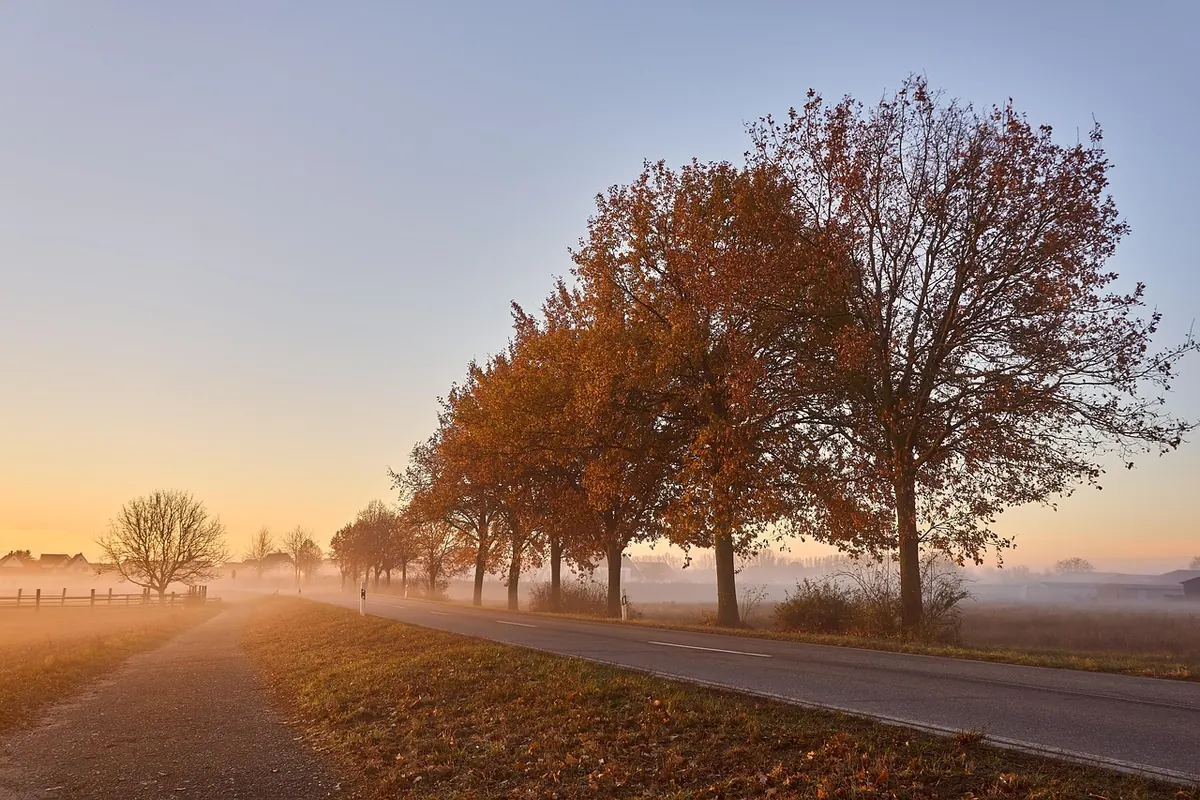
Dusk is not a shade, it is a sequence. Sit somewhere ordinary — a bench, a car park, a kitchen window — for half an hour from just before sunset, and note what happens every five minutes. You will find things that no amount of burnished gold will give you. The brightest part of the sky drifts sideways and upwards. Colour drains from the top down rather than fading evenly. Shadows lose their direction and become general, pooling rather than pointing. Windows on the west side of a street hold light while the rest go grey. Streetlights come on before they are needed; one clicks, one hums, one is always broken.
Borrow the three twilights as a scaffold
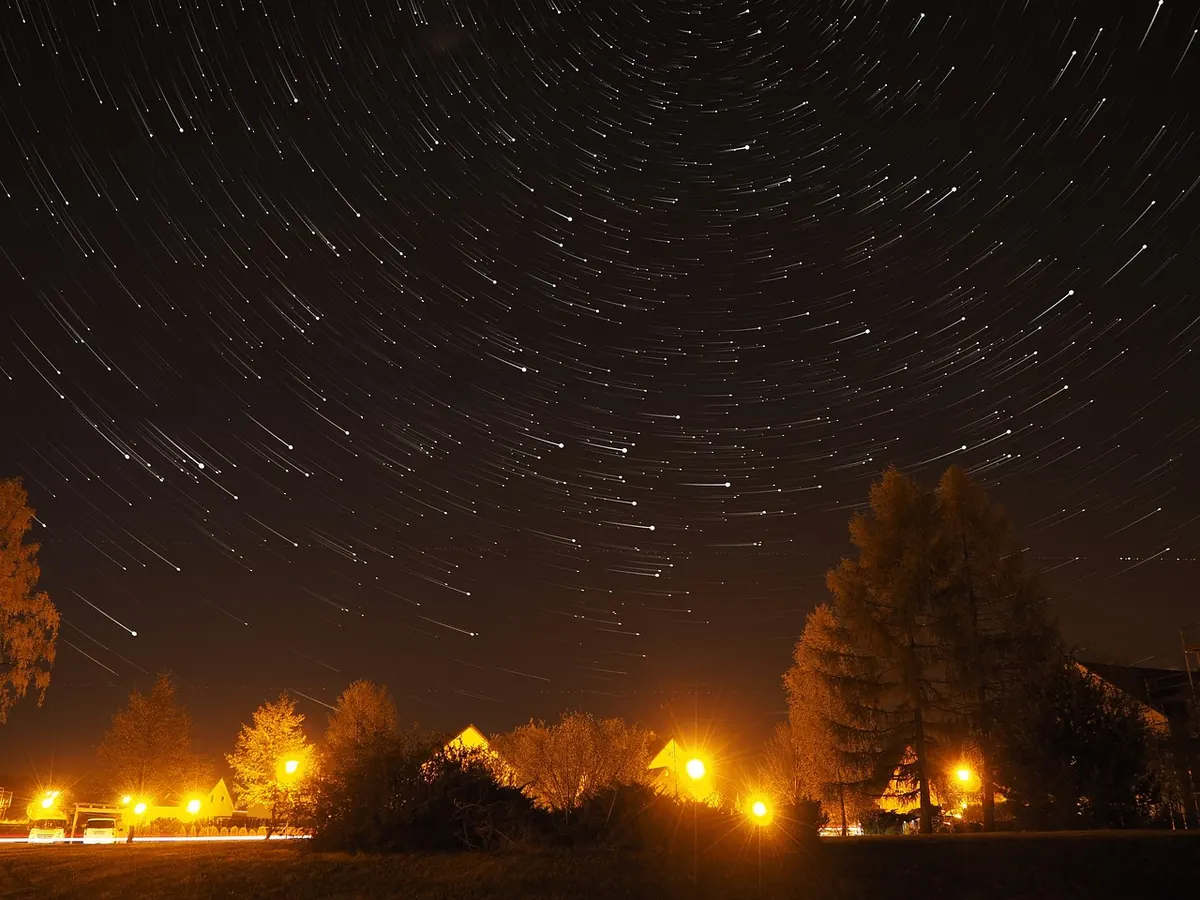
Roughly speaking, civil twilight ends when you would need artificial light to read outdoors — the horizon is still clear and colours are still readable. Nautical twilight ends when the horizon line becomes hard to pick out, the stage at which sailors could no longer steer by it. Astronomical twilight ends when the last trace of sunlight leaves the sky and the faintest stars appear. You do not need the vocabulary in the finished piece. You need it in your notes, because it gives you three separate atmospheres to move a scene through instead of one long smear of orange.
The Senses That Dusk Actually Sharpens
Sight does most of the work in twilight scenes, and it is usually the least interesting choice, because everyone reaches for it. The cooling air changes everything else. Sound carries further as the wind drops and the temperature falls: a train two miles off, a gate latch, someone laughing in a garden you cannot see. Birds gather and call before roosting, then there is a hush, then bats or the first moth at the glass. Smell comes down with the cold — cut grass, damp stone, woodsmoke, chips frying, petrol from a passing car. Your hands get cold before your face does.
- Sound: a distant motorway, a skateboard, a door closing three streets away.
- Smell: someone else's washing, a bonfire not yet lit properly, the inside of a shed.
- Touch: dew on a bench, cold metal on a gate, the first need for a coat.
- Human signals: upstairs lights coming on in houses, headlights, curtains closing.
- Movement: the sudden busyness of people heading home, then the quiet after.
Pick two. A dusk scene with all five senses firing at once reads like a checklist; two well-chosen details will carry a paragraph further than a page of sky.
Symbolism Without the Sledgehammer
Twilight arrives pre-loaded with meaning: thresholds, ambiguity, endings, the hour when things become hard to tell apart. That is exactly why you should resist announcing it. Name the metaphor and the spell breaks. Instead, choose one object that genuinely belongs to the place and let it recur without explanation — a bus stop nobody waits at, a security light that only comes on when someone moves, a dog that barks at the same time every evening. Let the reader do the arithmetic.
Useful exercise: write the scene once with the meaning stated plainly, then write it again with that sentence removed. If the scene survives the cut, you never needed the explanation. If it collapses, the atmosphere was doing all the work and something needs to happen.
Pacing the Fade
Real dusk is slow. Prose dusk usually should not be, though sometimes the slowness is the whole point — a character putting off a phone call, a conversation neither person wants to end. The rule of thumb is proportion: if the scene runs to a page, do not spend half of it on the weather. Compress with a single move — By the time she reached the roundabout, the streetlights were on — or stretch by giving someone something mundane to do while the light goes. Counting change. Waiting for a bus that is late. Peeling an orange.
Sentence rhythm matters more here than in most scenes. Long, soft sentences while the light lingers; shorter ones as it goes.
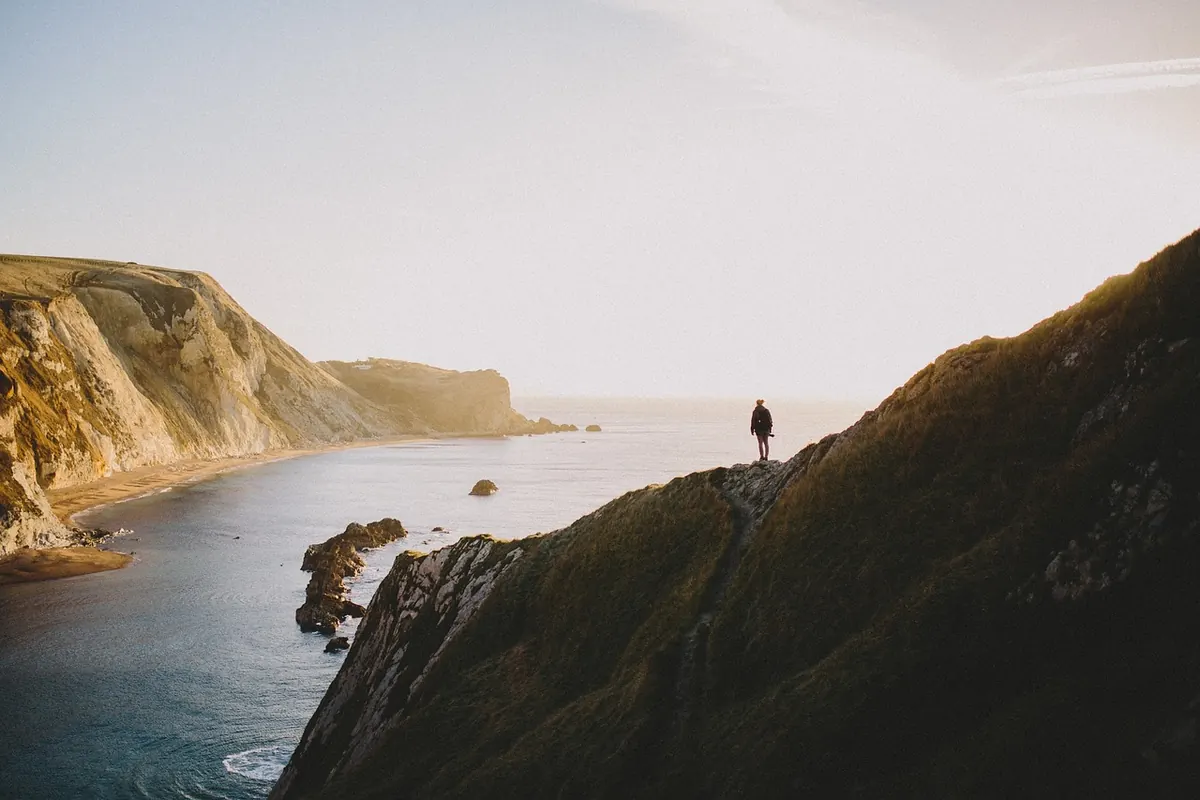
The light held. She kept her hands in her pockets and watched the last of it leave the water, and neither of them said the obvious thing. Then it was dark.
Dusk in Memoir
Memory is unreliable about facts and remarkably good about atmosphere. Twilight is where a great many remembered scenes sit, partly because it is when people come home, and partly because the light gives the past a natural softness. Two things keep it honest.
First, anchor it precisely. In Britain, a June dusk can still be going at ten in the evening; a December one is over by half past four. The same street is a different place in each. The time of year does more for a memoir scene than any amount of lyrical description.
Second, write what you noticed then, not what you know now. The temptation is to make your younger self wiser than they were, and it flattens the scene immediately. If you want the older narrator's voice in the room, make it deliberate and keep it brief. Where memory fails, do not invent: if you cannot recall the song playing, describe the fridge humming instead.
Writing about real people carries its own obligations. Change what needs changing, be fair, and if you plan to publish something that could harm a living person, take proper advice before you do rather than after.
The Dusk Pass: Revising a Twilight Scene
- Count your references to the light. More than three on a page is usually too many.
- Check the chronology. Does the sky darken in one direction only? Do the streetlights come on once, at a plausible moment?
- Swap one visual detail for a sound or a smell.
- Find the sentence that explains the symbolism. Delete it and read the scene again.
- Read it aloud for rhythm. Dusk scenes live or die on pace.
- Ask what changed. Atmosphere is not plot; something has to be different by full dark.
Twenty Minutes at Your Own Dusk
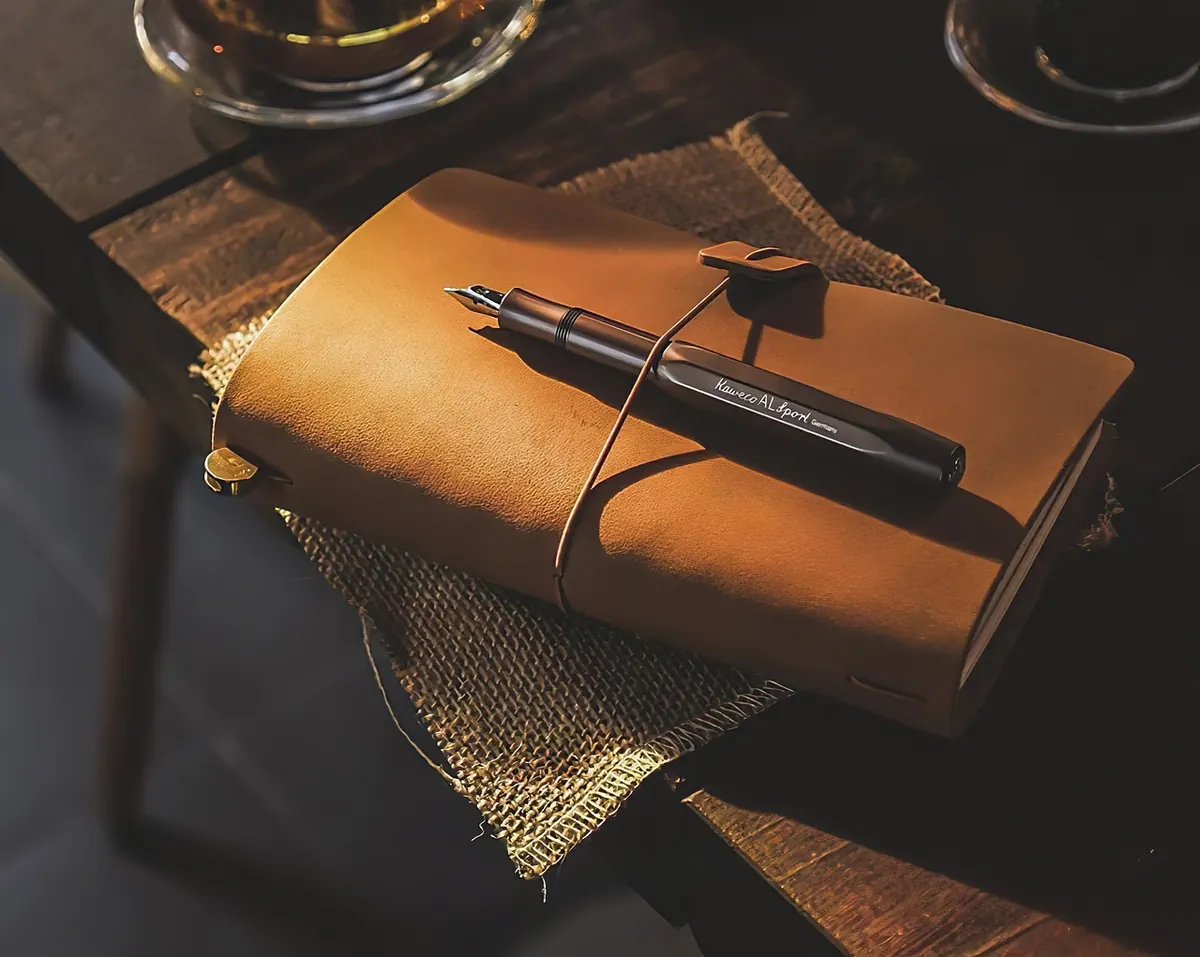
Choose a spot you can walk to. Go out about forty minutes before sunset with a notebook and no agenda, and write down what you notice for twenty minutes without trying to make it pretty. At home, turn those notes into one page of a scene. Then cut the page to a paragraph, and the paragraph to two sentences. Those two sentences are usually the spine; the rest was weather.
Do it three nights running in different conditions — clear, wet, windy — and you will have a store of detail nobody else has. That, more than any technique, is what makes dusk on the page feel like the real thing.
Photo: mylns65hoasphn / Pixabay
Related posts
More stories you’ll love reading