

A Seasonal Guide to Twilight Walks in the UK: What to See Month by Month
Twilight in the UK is not one thing. On a June night in Orkney, the sky never truly darkens; in a December valley in Wales, dusk can be over before you have found your keys. That variation is the pleasure of walking at the edge of day. This guide moves through the year, season by season, with routes, wildlife and sky sights to look for, plus practical notes to keep the evening enjoyable.
Winter: The Long Dark and Bright Stars
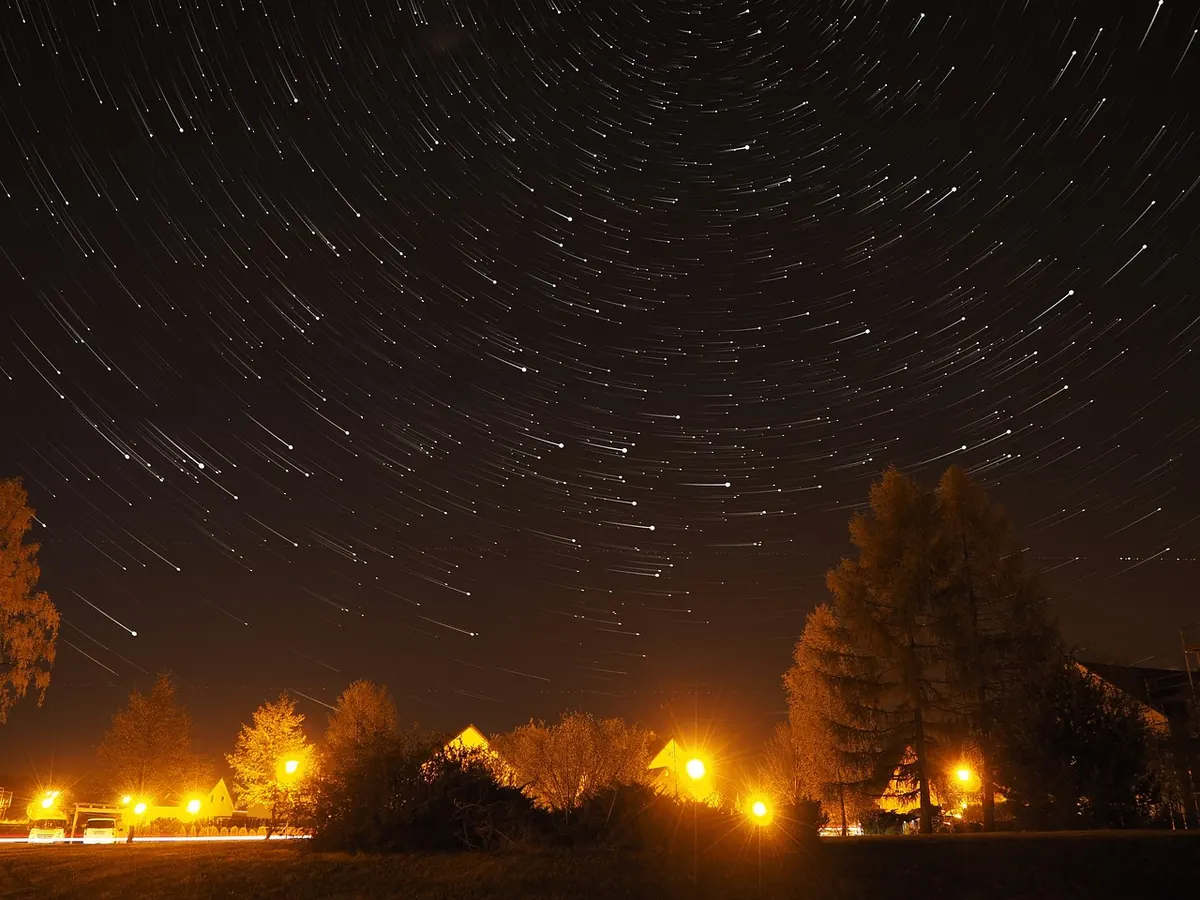
From December to February, twilight arrives early and often brings the clearest skies of the year. The window between sunset and full dark is short, so start walking before the light goes. Lowland heaths, coastal paths and forest rides are good choices: they are easier underfoot than high ground and often hold more wildlife at dusk. Listen for the shriek of a barn owl, watch deer move out to graze, and look for starling murmurations over reedbeds and piers. On a still evening at RSPB Snettisham or Brighton Pier, thousands of starlings can twist into shapes that seem to have their own weather.
What to look for in winter
- Sky: Orion, Sirius, the Pleiades. Venus can be brilliant after sunset, and Jupiter is often visible.
- Wildlife: Barn owls, winter thrushes, foxes, deer. Starling murmurations are best on still, dry evenings.
- Routes: The Norfolk coast path, the New Forest, lowland commons, and canal towpaths.
Wrap up properly: two pairs of socks, a hat, gloves and a thermos. A head torch with a red light setting helps you check the map without ruining your night vision. Avoid icy boardwalks and steep descents after rain. If you are walking near water, remember that floodwater can rise quickly after winter rain, and paths marked on maps may be impassable.
Spring: Dusk Chorus and Woodland Blue
March to May is when twilight stretches out and the evening becomes a performance. Blackbirds, robins and song thrushes sing from the hedges, and the first pipistrelle bats flicker over ponds and lanes. By late April, ancient woodlands begin to turn blue with bluebells. The scent alone is worth the walk. In the south, bluebell woods such as Ashridge Estate in Hertfordshire or RSPB Arne in Dorset can be extraordinary at dusk, when the colour seems to deepen rather than fade.
Where to go and when
Woodland edges, country parks and canal towpaths are ideal. Start about half an hour before sunset and stay until the bats appear. In early spring, listen for frogs and toads spawning in ponds. By May, swifts and swallows are back, hunting insects in the fading light. Keep dogs close: ground-nesting birds and young deer are vulnerable. Paths can be muddy, so wear wellies or boots with grip. If you are new to dusk walking, choose a short circular route you already know and walk it in reverse to see how different it feels after sunset.
Summer: The Slow Fade and Glow-worm Nights
June to August offers the longest twilights. In northern Scotland, the simmer dim keeps a glow on the horizon all night. This is the season for glow-worms on chalk downland and heathland, and for the churring call of nightjars. Noctilucent clouds—high, electric-blue wisps—can appear in June and July. Places like Thursley Common in Surrey and Alners Gorse in Dorset are known for nightjars and glow-worms, but always check local guidance before visiting after dark.
Routes and practicalities
High ground with wide views, north-facing coasts and heathland are rewarding. But summer evenings come with midges, especially in the west and north. Take insect repellent, cover your arms and ankles, and avoid still, damp spots at dusk. Check access arrangements on private estates and nature reserves. Some sites close at dusk to protect wildlife, so plan ahead. Carry water and a light layer; temperatures drop quickly once the sun is gone. In popular honeypot areas, consider a late-afternoon start and a route that avoids busy car parks at closing time.
Autumn: Mists, Rut and Meteor Showers
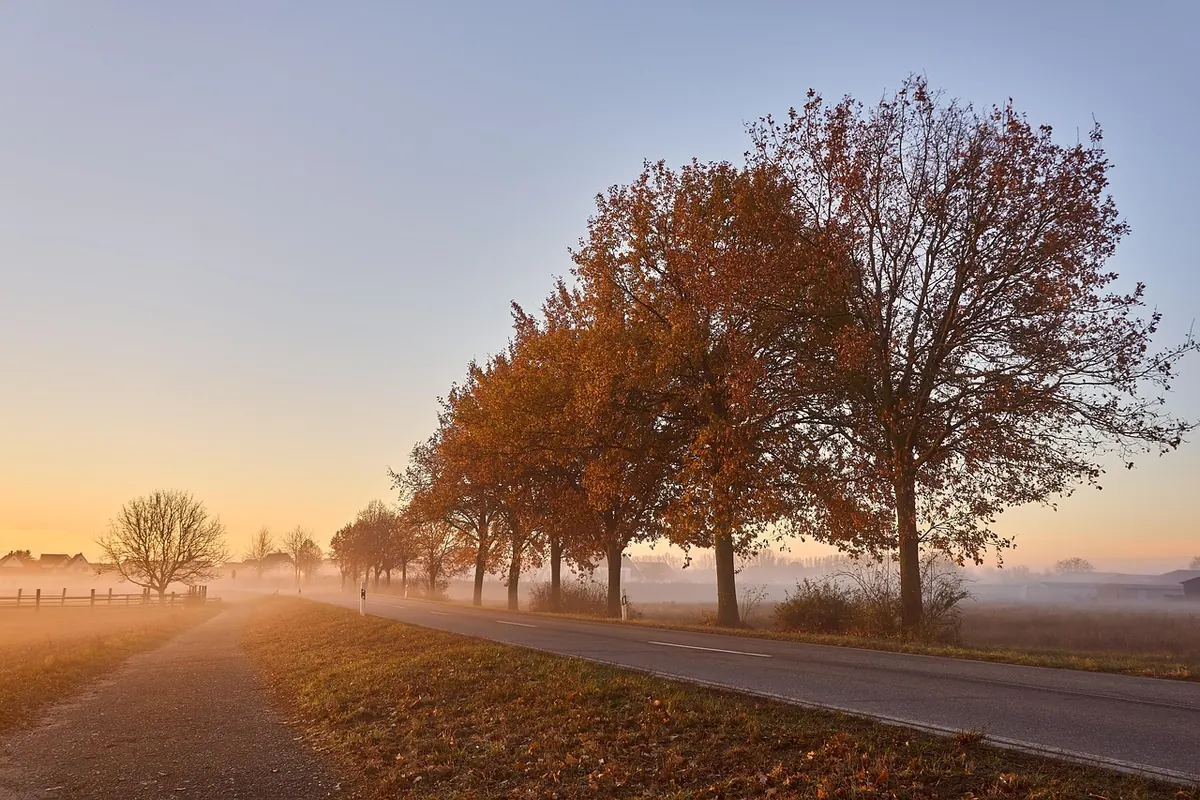
September to November brings mist, fungi and the roar of rutting red deer. Estuaries fill with migrating waders and wildfowl. The sky turns over: the Harvest Moon rises early, Orion returns before dawn, and meteor showers light up the darker evenings. The Orionids peak in October, the Leonids in November, and the Geminids in December. Estuary paths such as the Dee Estuary or the Exe Estuary can be magical at dusk, with curlew calls carrying across the water and flocks of wigeon and teal settling for the night.
Walking notes
Beech woods, ridgeways and estuary paths are excellent. Leaf litter can hide roots and holes, so watch your footing. Carry a torch even if you expect to finish in daylight; sunset comes earlier than you think. Deer are unpredictable during the rut—keep a good distance and never approach with a dog. Richmond Park and parts of Exmoor are famous for rutting deer, but the same rule applies everywhere: watch from a distance, use binoculars, and give animals an escape route.
A Month-by-Month Quick Reference
- January: crisp stars, early dusk, winter thrushes and owls.
- February: longer evenings, first song thrush, snowdrops.
- March: dusk chorus begins, frog spawn in ponds.
- April: bluebells emerging, bats active.
- May: peak bluebells, swifts return, mayflies over water.
- June: glow-worms, nightjars, noctilucent clouds.
- July: long twilights, young bats, midsummer warmth.
- August: Perseid meteor shower, heather in bloom.
- September: Harvest Moon, misty mornings, deer rut begins.
- October: Orionids, fungi, turning leaves.
- November: Leonids, bare trees, starling murmurations.
- December: Geminids, shortest days, clear, cold skies.
Understanding Twilight: Civil, Nautical and Astronomical
Twilight is not a single moment but a gradual process. Knowing the stages helps you plan when the light will be best for wildlife, photography or simply finding the car park.
- Civil twilight: the sun is 0–6 degrees below the horizon. There is still enough light to walk without a torch, and colours in the sky are often at their richest.
- Nautical twilight: the sun is 6–12 degrees below the horizon. The horizon may still be visible at sea, but inland paths begin to disappear into shadow.
- Astronomical twilight: the sun is 12–18 degrees below the horizon. Faint stars appear, and true night begins. In midsummer in northern Scotland, astronomical twilight may last all night or never quite end.
This is why a June walk in Cornwall feels completely different from a June walk in Shetland. It is also why a December walk can go from golden hour to pitch dark in what feels like minutes.
What to Take on a Twilight Walk
A little kit makes the difference between a memorable evening and a miserable one. You do not need mountaineering gear for a lowland dusk walk, but you do need to be self-sufficient if the light fails faster than expected.
- Lighting: a head torch plus a small hand torch, with spare batteries. A red-light mode preserves night vision.
- Clothing: an extra insulating layer, waterproof shell, hat and gloves in winter, and a buff or light scarf for cooler summer evenings.
- Footwear: boots or shoes with grip. Dew, mud and wet leaves make roots and boardwalks slippery.
- Navigation: a paper map and compass if you are going off well-marked paths, plus a charged phone in a waterproof case.
- Comfort: water, a warm drink, a snack, and a small sit mat if you plan to watch the sky.
- Safety: a basic first-aid kit, a whistle, and a foil blanket. Tell someone your route and expected return time.
Staying Safe and Warm After Sunset
Twilight walks are simple to enjoy, but a little preparation makes them better. Tell someone where you are going and when you expect to be back. Charge your phone, but do not rely on it: signal can vanish in valleys and woods. If you are walking alone, stick to familiar routes and consider sharing your live location with a friend. On coastal paths, check tide times; on moorland, check weather forecasts and be ready to turn back. Cold is the quiet risk: once you stop moving, your temperature can drop quickly. Add a layer before you feel chilly, and keep moving if you can.
It also helps to think about the walk home. A route that is easy in daylight can feel confusing in the dark, especially where paths fork or cross open ground. Note landmarks on the way out—a distinctive tree, a gate, a bend in the river—and use them on the return. If you are navigating by phone, download the map for offline use and carry a power bank.
Etiquette, Access and Wildlife Watching
Dusk is a busy time for wildlife, and the best encounters happen when we stay quiet and keep our distance. Use a red filter on your torch where possible, avoid flash photography of animals, and never disturb roosting birds or bats. Follow the Countryside Code: leave gates as you find them, take litter home, and keep dogs under control around livestock and ground-nesting birds. On nature reserves, check whether evening access is allowed; some close at dusk precisely because night-time is when vulnerable species need peace.
“Take only photographs, leave only footprints” is an old saying, but at twilight it is worth adding: take only quiet, leave only stillness.
Finally, remember that twilight is not a race to darkness. It is a chance to notice the shift from one day to the next: the first bat, the last songbird, the planet appearing above a ridge. Walk slowly, look up often, and let the evening take its time.
Photo: distelAPPArath / Pixabay
Related posts
More stories you’ll love reading